The Rivelin valley has a varied landscape, so hosts a range of different wildlife habitats. It encompasses the busy suburban area of Malin Bridge in the east to the peace and tranquillity of the peaty, heather-clad Hallam Moors between Stanage Edge and Moscar, some six miles to the west. Much of this area has national and international conservation designations including Special Protection Area, Special Area of Conservation and Site of Special Scientific Interest. On the south side of the valley, there are three nature reserves managed by Sheffield and Rotherham Wildlife Trust: Hammond’s Field, Wyming Brook and Fox Hagg. Much of the valley bottom has been designated by Sheffield City Council as a ‘Local Wildlife Site’. Backed by rocky edges, the steeper slopes on the valley sides are mainly natural woodland and heath, while the gentler slopes are mostly pasture. With the gradual demise of the watermills since the mid-19 th century, the valley bottom has been slowly reclaimed by nature and is now a haven for wildlife.

The most common trees in the valley are Alder, Ash, Holly, Oak, Sycamore and Willow. In spring, parts of the valley have Bluebells, Cow parsley, Dog’s mercury and Wood Sorrel. The silting-up and overgrowth of many mill dams provides some interesting examples of succession from open water to dry land. In summer watch out for Comma and Orange Tip butterflies and at dusk the bats feeding on insects.
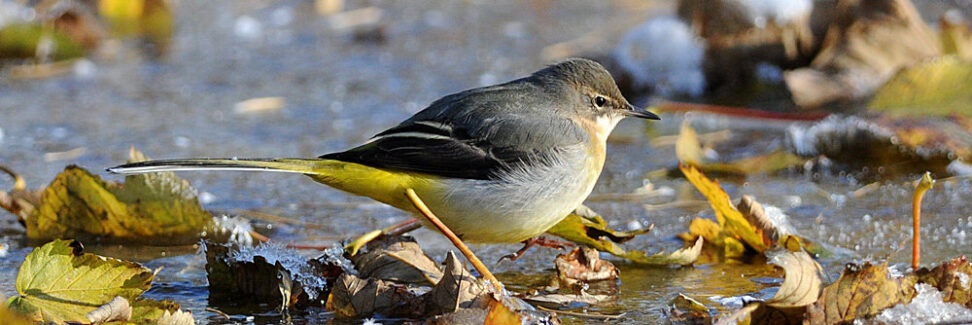
In terms of birdlife, by the river ducks, Moorhen, Grey Heron, Dippers, Grey Wagtails and Kingfishers can be spotted. In the woodlands are Nuthatch, Treecreepers, Blackbirds, Long-tailed Tit, Siskin and Goldcrest. Crossbills, Redstarts and Pied Flycatchers habit the upper parts of the Rivelin valley. On the fields and moors sometimes Lapwing and Curlew can be seen.
Further information about the flora and fauna found in the Rivelin can be found in the book ‘Walking the Rivelin’ and within the individual webpages here for each mill site.
Rivelin Valley Recorder
If you would like to report anything that you feel would be of interest to our members, please contact us via this online form. Your contact details will be appreciated in case we need to check any information or investigate further.
If you want to report an Invasive Non-Native Species (INNS) (e.g. Signal crayfish, Japanese knotweed, Himalayan balsam, floating pennywort), please also use the free “INNS Mapper” app and website .
The website also includes useful identification guides and a map showing where the species have been recorded.